Dental emergency? Call (616) 202-5220. We see patients the same day.

Emergency Root Canal in Grand Rapids, MI

Severe tooth pain often signals an infected nerve. We perform same-day root canals to save your tooth and stop the pain.

Call (616) 202-5220 Now

Emergency root canal treatment in Grand Rapids is available the same day you call at Emergency Dentist of Grand Rapids. A root canal removes the infected nerve tissue inside a damaged tooth, eliminates pain, and saves the tooth from extraction. Call (616) 202-5220 now for a same-day appointment at our Cascade Rd SE office. Both insured and uninsured patients are welcome.

When Do You Need an Emergency Root Canal?

You may need an emergency root canal if you are experiencing a severe, persistent toothache that throbs or wakes you up at night. Other signs include sharp pain when you bite down, prolonged sensitivity to hot or cold temperatures that lingers after the stimulus is removed, darkening of a tooth, and swelling or tenderness in the gums near the painful tooth. These symptoms indicate that the soft tissue inside your tooth, called the pulp, has become infected or inflamed. The pulp contains nerves and blood vessels, which is why an infected tooth causes such intense pain. Without treatment, the infection can spread beyond the tooth and form an abscess in the jawbone. Getting treated the same day you notice symptoms gives us the best chance to save your tooth and prevent complications.

What Happens During a Root Canal?

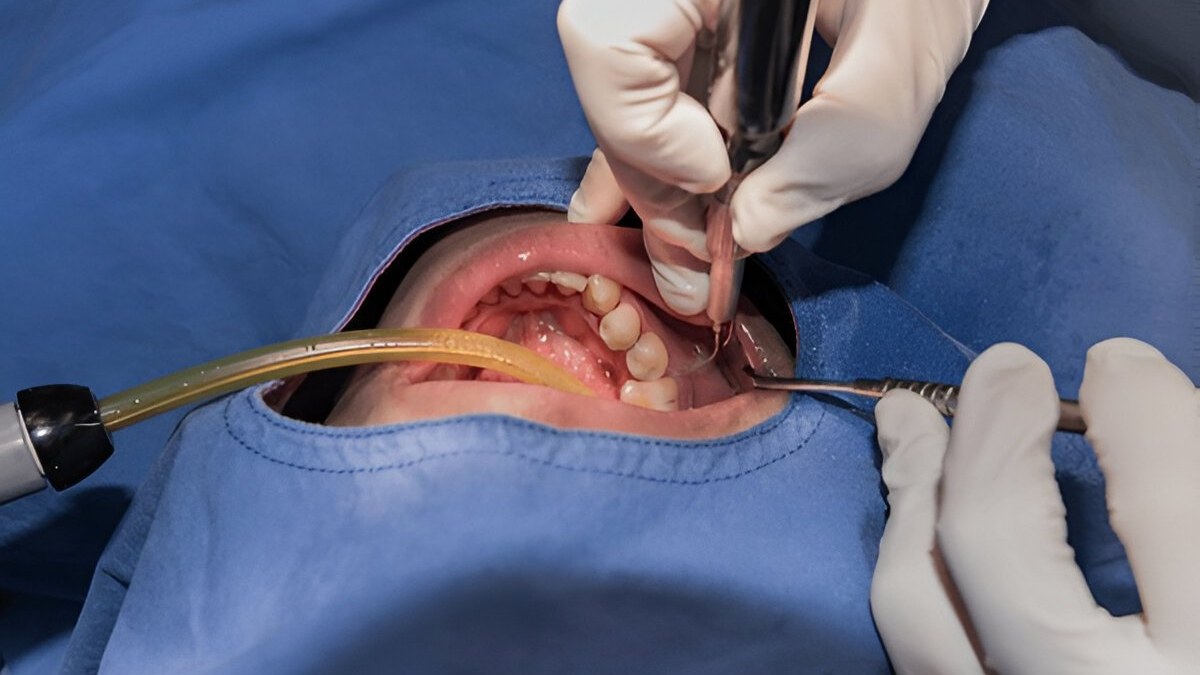
During a root canal at our Grand Rapids office, we first take digital X-rays to see the shape of the root canals and determine how far the infection has spread. We then numb the tooth and surrounding area with local anesthesia so you will not feel pain during the procedure. Once you are comfortable, we place a small protective sheet around the tooth to keep it dry. We create a small opening in the top of the tooth and use specialized instruments to remove the infected pulp tissue from inside the tooth and its root canals. We clean and shape the canals, then fill them with a biocompatible material called gutta-percha. Finally, we seal the tooth with a temporary or permanent filling. In most cases, we recommend a crown after a root canal to protect the tooth long-term.

Recovery After an Emergency Root Canal

Most patients feel significantly better within a few hours of their root canal. The severe toothache that brought you in will be gone because the infected nerve tissue has been removed. Some mild soreness at the treatment site is normal for two to three days and responds well to over-the-counter ibuprofen or acetaminophen. You can eat after the numbness wears off, but stick to softer foods on the treated side for the first day or two. Avoid hard, crunchy, or sticky foods until your permanent crown is placed. Follow up with our office to schedule your crown appointment, which is important for the long-term strength and protection of the tooth.

Stop reading and call us now.

(616) 202-5220

What to Do Before Your Emergency Root Canal Appointment

  1. 1

    Call (616) 202-5220 and describe your symptoms so we can prepare for your visit.

  2. 2

    Take ibuprofen (as directed on the label) to manage pain and reduce inflammation while you wait.

  3. 3

    Avoid chewing on the affected side. Stick to soft foods and room-temperature liquids.

  4. 4

    Apply a cold compress to the outside of your cheek for 15 minutes on, 15 minutes off.

  5. 5

    Bring your dental insurance card and a list of any medications you are currently taking.

Frequently Asked Questions

How long does an emergency root canal take?
Most emergency root canals at our Grand Rapids office take between 60 and 90 minutes from start to finish. The exact time depends on which tooth is being treated. Front teeth typically take less time because they have one root canal, while molars can have three or four canals and require more work. We use digital X-rays and modern rotary instruments to complete the procedure efficiently. You will receive local anesthesia so the treatment is comfortable, and most patients report feeling significantly better within hours of leaving the office.
Is a root canal painful?
A modern root canal is not as painful as most people expect. We use local anesthesia to completely numb the tooth and surrounding area before we begin, so you should feel pressure but not pain during the procedure. Most patients tell us the root canal itself is less painful than the toothache that brought them in. After the procedure, some mild soreness is normal for a few days and can be managed with over-the-counter ibuprofen. If you have dental anxiety, we also offer sedation options.
How much does an emergency root canal cost in Grand Rapids?
Emergency root canal costs in Grand Rapids typically range from $500 to $1,200 depending on which tooth needs treatment. Front teeth cost less because they have fewer canals. Molars cost more because they are more complex. A crown is usually recommended after a root canal and adds to the total cost. We accept most dental insurance plans, which often cover a significant portion of root canal treatment. For uninsured patients, we offer transparent pricing and payment options. Call (616) 202-5220 for a cost estimate.
Can I wait to get a root canal?
Waiting to get a root canal is risky and not recommended. The infection inside your tooth will not go away on its own. Without treatment, a tooth infection can spread to the jawbone, surrounding teeth, or other parts of your body. An untreated dental infection can lead to an abscess, facial swelling, and in rare but serious cases, a life-threatening condition called sepsis. If you are experiencing severe tooth pain, sensitivity to heat, or swelling, call our Grand Rapids office at (616) 202-5220 as soon as possible.
What happens if I need a root canal on the weekend?
If you need a root canal on the weekend, call our office at (616) 202-5220. We offer Saturday hours and do our best to see urgent cases the same day. While you wait for your appointment, take ibuprofen as directed for pain and avoid chewing on the affected side. A cold compress on the outside of your cheek can help reduce swelling. Do not apply aspirin directly to the gum, as this can cause a chemical burn. If you develop severe swelling that affects your breathing, go to the nearest emergency room.

Get Emergency Dental Care Today

Same-day appointments available. Call now.

(616) 202-5220